
Understanding Bone Density and Its Effect on Dental Implants
Replacing missing teeth with dental implants can improve comfort and confidence, though healthy jawbone structure is key to successful treatment outcomes. The strength and volume of your jawbone play a major role in how well an implant integrates and functions over time. Many people searching for a “dentist near me” are surprised to learn that bone density can directly affect implant stability, healing, and long-term outcomes.
Understanding how jawbone health affects implants can help you make more informed decisions about tooth replacement. Whether you are considering dental implants in Raritan, NJ, or simply exploring your options, learning about bone health is an important first step.
What Is Bone Density?
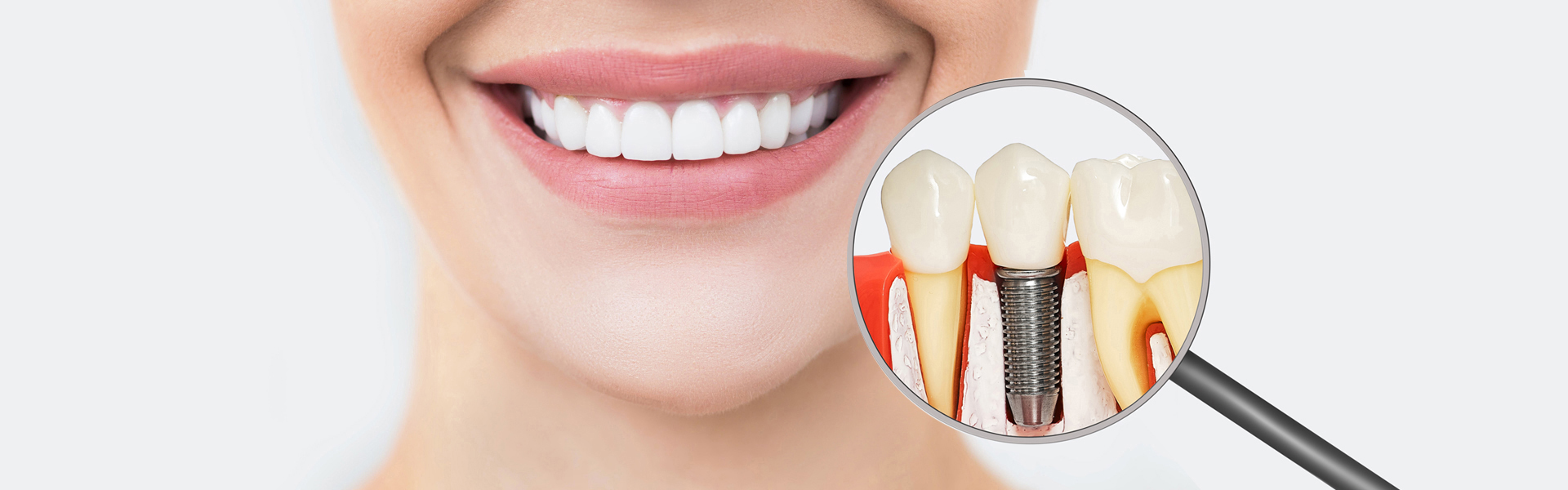
Bone density refers to the strength, thickness, and mineral content of bone tissue. In the jaw, healthy bone density helps anchor natural teeth and dental implants securely. Dental implants connect naturally with the jawbone through a process called osseointegration, creating strong support for replacement teeth. During healing, the surrounding bone bonds with the titanium implant surface, creating a stable foundation for a crown, bridge, or denture. If the jawbone has weakened over time, it may not provide enough support for the implant to heal properly. Inadequate bone support can affect how well the implant heals and functions over time.
Signs That Bone Density May Be Reduced
Some people experience no obvious symptoms of bone loss. However, dentists may notice:
- Changes in facial structure
- Loose teeth
- Gum recession
- Difficulty wearing dentures
- Reduced jawbone height on X-rays
Bone loss can happen gradually, which is why routine dental evaluations are important.
Why Bone Density Matters for Dental Implants
Strong jawbone support helps keep the implant stable during both placement and healing. Without adequate support, the implant may shift or fail to integrate properly.
Bone Density Affects Implant Stability
When the jawbone is dense and healthy, implants are more likely to remain secure under everyday biting and chewing forces. Strong bone also helps distribute pressure evenly.
Healing Depends on Bone Quality
For an implant to bond successfully with the jawbone, the body needs healthy blood flow and natural bone healing. People with lower bone density may need additional healing time before the permanent restoration can be placed.
Bone Loss Can Affect Facial Appearance
The jawbone supports facial muscles and structure. Missing teeth and shrinking jawbone structure may contribute to a sunken look around the cheeks and mouth. Dental implants help stimulate the jawbone similarly to natural tooth roots. That stimulation helps keep the jawbone active and may reduce future bone loss.
What Causes Low Bone Density in the Jaw?
Jawbone loss can happen for several different reasons.
Tooth Loss
After a tooth is lost, the jawbone in that area no longer receives stimulation. Research shows that bone loss can begin within the first year following extraction.
Periodontal Disease
When gum disease progresses, it can affect both the soft tissues and underlying bone around the teeth. Untreated periodontal disease can cause tooth and bone loss in adults.
Aging
As people age, natural changes in bone strength and volume can occur. While aging alone does not prevent implant treatment, it may affect healing and bone quality in some individuals.
Smoking and Tobacco Use
Smoking can reduce blood flow and slow healing. It may also increase the risk of implant complications.
Medical Conditions
Certain health conditions and medications may affect bone metabolism, including:
- Osteoporosis
- Diabetes
- Autoimmune disorders
- Long-term steroid use
Patients should always share their full medical history during an implant consultation.
How Dentists Assess Bone Density
Before recommending implants, dentists perform a detailed evaluation of the jawbone and surrounding tissues.
Digital Imaging and 3D Scans
Advanced imaging technology allows dentists to measure bone height, width, and density with precision. The team at Stunning Smiles of Somerset uses 3D technology during implant planning to support accurate placement and personalized treatment planning.
These scans help identify:
- Areas of bone loss
- Nerve and sinus locations
- Implant positioning options
- Whether bone grafting may be needed
Comprehensive Oral Examination
Dentists also evaluate gum health, bite alignment, oral hygiene habits, and overall health before proceeding with treatment.
Review of Medical History
A complete medical review helps determine whether any conditions may affect healing or long-term implant success.
Solutions for Low Bone Density
Low bone density does not always mean dental implants are impossible. Several treatments may improve bone support before implant placement.
- Bone Grafting
Bone grafting is a common solution for rebuilding jawbone structure. During this procedure, grafting material is placed in areas with limited bone volume.
Over time, the body integrates the graft and creates new bone growth.
- Sinus Lift Procedures
For implants in the upper back jaw, a sinus lift may create additional space for bone support. This procedure gently raises the sinus membrane and places grafting material underneath.
- Guided Implant Placement
Digital planning tools help dentists position implants in areas with the best available bone support.
- Immediate Tooth Replacement Planning
In some cases, placing implants soon after tooth extraction may help preserve existing bone.
Patients looking for “dental implants near me” often benefit from discussing all available treatment approaches during a consultation.
Tips to Maintain Healthy Bone Density
Maintaining jawbone health supports both natural teeth and implant success.
Practice Consistent Oral Hygiene
Daily brushing and flossing help protect the gums and supporting structures around the teeth.
Attend Routine Dental Visits
Regular exams and professional cleanings allow dentists to monitor bone and gum health over time.
Eat Nutrient-Rich Foods
Calcium, vitamin D, phosphorus, and protein all support healthy bones.
Helpful foods include:
- Leafy greens
- Dairy products
- Fatty fish
- Eggs
- Nuts and seeds
Avoid Tobacco Products
Smoking and chewing tobacco may interfere with healing and increase the risk of implant failure.
Address Missing Teeth Early
Replacing missing teeth promptly may help reduce ongoing bone loss in the jaw.
Expert Insight: Why Early Evaluation Matters
Many adults delay implant treatment because they assume missing teeth are only a cosmetic concern. In reality, untreated tooth loss can gradually affect the jawbone, bite alignment, and oral function.
Early dental evaluations can catch changes in the jawbone before they become more difficult to treat. In some cases, less extensive treatment may be possible when bone loss is addressed sooner.
Patients searching for an “implant dentist near me” should look for a provider who uses advanced imaging, clearly explains treatment options, and creates individualized treatment plans based on their overall oral health.
Schedule Your Dental Implant Consultation Today
If you are considering tooth replacement, understanding your bone health is an important part of the process. A thorough evaluation can determine whether your jawbone is ready for implants or whether additional treatment may help improve long-term support.
At Stunning Smiles of Somerset, patients receive personalized care supported by modern dental technology and comprehensive treatment planning. Whether you are exploring implant options for one missing tooth or multiple teeth, the right assessment can help you move forward with confidence.
Bone density is a critical factor in the long-term success of dental implants. Healthy jawbone structure supports stability, healing, comfort, and function.
Even if bone loss has already occurred, modern dentistry offers effective solutions that may help restore support for implants. The key is early evaluation, proper planning, and ongoing oral health care.
If you have questions about dental implants in Raritan, NJ, or want to learn whether implants may be right for you, scheduling a professional consultation is the best place to begin.
Frequently Asked Questions
Possibly. Many patients with bone loss may still qualify for implants after treatments such as bone grafting or sinus augmentation. A detailed evaluation is necessary to determine the best approach.
Dentists commonly use digital X-rays and cone beam CT scans to evaluate bone thickness, height, and density before implant placement.
Not always. Many people with osteoporosis may still be candidates for implants, depending on their overall health, medication use, and bone quality.
Healing times vary depending on the graft size and individual healing response. In many cases, healing may take several months before implants are placed.
Dental implants help stimulate the jawbone similarly to natural tooth roots, which may help reduce further bone loss. Traditional dentures do not provide the same level of bone stimulation.

