
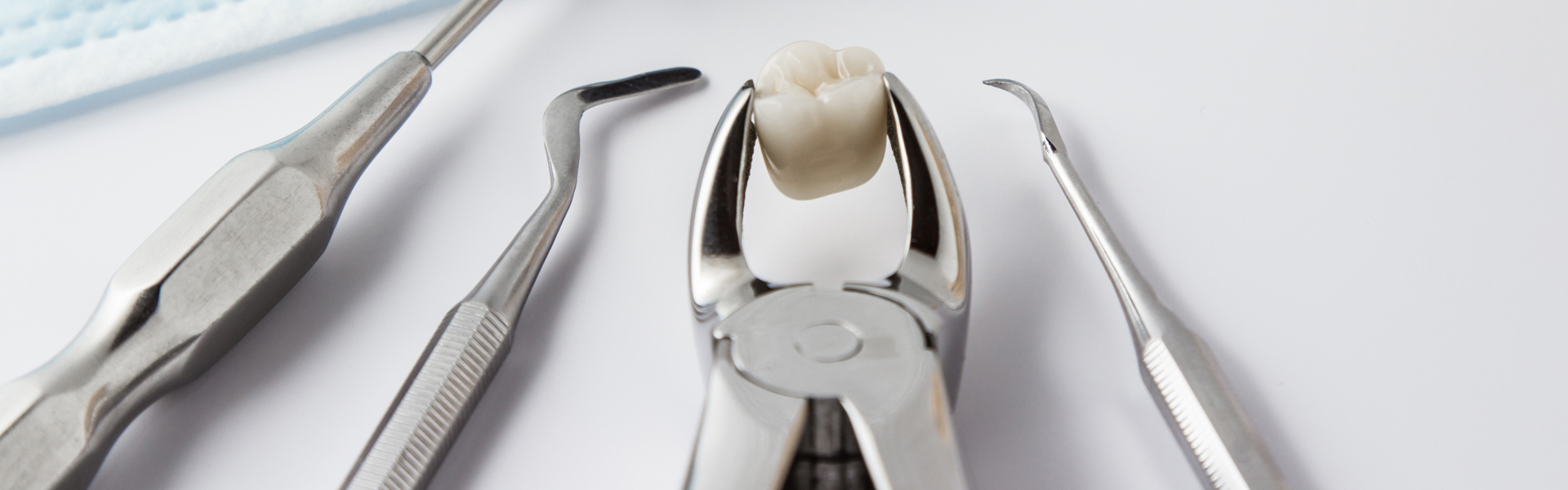
Top 5 Signs You Might Need a Tooth Extraction
Dentists recommend removing a tooth only when clinical findings show that preservation is no longer predictable. Preserving the natural tooth is preferred when long-term structural support is reliable. However, when infection, structural damage, or bone loss reaches a point where recovery is unlikely, removal may prevent more serious complications. If you are experiencing ongoing discomfort, swelling, or difficulty chewing, a clinical examination is necessary to determine whether the tooth can be treated or whether extraction is the safer option. The following signs commonly indicate that removal may be necessary.
When Tooth Pain Signals Irreversible Damage
Tooth pain that lasts more than a few days and does not improve with medication may indicate inflammation inside the pulp. The pulp contains nerves and blood vessels. When bacteria enter this space through decay or fracture, inflammation develops. Because the pulp chamber is surrounded by rigid dentin, pressure builds as inflammation increases. This pressure compresses nerve tissue, causing persistent throbbing pain, sensitivity to temperature, or discomfort when biting. Root canal therapy often removes infected tissue, allowing the tooth to remain functional. However, if imaging shows infection extending into the surrounding bone or the remaining tooth structure cannot support a restoration, extraction may be necessary when preservation no longer offers predictable results. The decision is based on radiographic findings, remaining structural integrity, and long-term prognosis, not on symptoms alone. Patients seeking a dentist near me due to severe tooth pain should seek prompt evaluation. An untreated infection can spread beyond the tooth.
Bone Loss That Causes Tooth Mobility
Teeth are supported by alveolar bone and periodontal ligament fibers. When plaque accumulates beneath the gumline, bacteria trigger inflammation that gradually destroys bone and connective tissue support. Professional cleaning and improved home care can manage early gum inflammation, but once periodontal disease progresses, bone loss becomes permanent. As bone levels decrease, the tooth may begin to loosen. Mobility that interferes with chewing indicates that structural support has been compromised. Severe bone deterioration reduces stability to a point where keeping the tooth can prolong infection. In these situations, extraction may protect adjacent teeth and promote healing. Many patients who ultimately require tooth extractions in Raritan, NJ present after years of untreated periodontal inflammation. Treatment planning in these situations focuses on infection control and long-term stability of the remaining dentition.
A Fracture Extending Into the Root
Not all cracked teeth require removal. Small enamel fractures may be restored with crowns. The concern arises when a crack extends below the gumline or into the root. A vertical root fracture allows bacteria to enter areas that cannot be sealed predictably. Patients often report sharp pain when biting or releasing pressure. Swelling near the gum may also develop. Clinical examination combined with radiographic imaging helps determine whether the fracture compromises the root. If the crack extends deeply and divides the tooth structure, long-term repair is unlikely to succeed. Removing the tooth addresses the infected structure and reduces the likelihood of continued bone involvement. Patients often search for extractions near me after sudden biting pain reveals an underlying fracture. Prompt evaluation helps prevent bacterial spread into the surrounding bone.
Repeated Infection Around the Same Tooth
A dental abscess forms when bacteria spread from the tooth into adjacent structures, creating a localized area of infection and fluid accumulation. Symptoms may include swelling, tenderness, fever, or drainage with an unpleasant taste. Antibiotics may temporarily reduce symptoms, but they do not remove the source of infection within a non-vital or structurally compromised tooth. If prior root canal treatment fails and imaging continues to show infection around the root tip, the long-term outlook must be reassessed. If sufficient structure remains, retreatment may be considered. If the root is fractured or bone destruction is extensive, extraction addresses the origin of infection and supports tissue healing.In communities seeking extractions Bedminster or dental extractions Warren NJ, delayed treatment of recurrent abscesses is a common reason for removal.
Teeth That Cannot Erupt or Fit Properly
Impacted teeth remain partially or completely trapped beneath the gum or bone. Wisdom teeth are the most common example. When partially erupted, they create areas where bacteria and debris accumulate. Chronic inflammation around impacted teeth may damage neighboring molars. In some cases, a cyst can form around the impacted root. Radiographs help assess root development, angulation, and nerve proximity before a decision is made. Crowding may also require extraction when there is insufficient jaw space to align the teeth properly. Orthodontic planning considers arch length, bite relationship, and long-term stability before making this decision. Patients considering tooth extraction Somerset NJ for impacted or overcrowded teeth undergo a detailed evaluation to reduce surgical risk and preserve surrounding structures.
How Dentists Decide Whether a Tooth Can Be Saved
Removal is recommended only after careful assessment. Factors include:
- Amount of remaining healthy tooth structure
- Degree of bone support
- Extent of infection
- Presence of root fracture
- Restorative prognosis
- Overall medical history
The objective is to control infection while maintaining as much healthy structure as clinical conditions allow. Extraction is considered when predictable restoration is no longer achievable. A typical extraction procedure involves local anesthesia followed by controlled loosening of the tooth from surrounding ligaments. In surgical cases, the tooth may be sectioned to minimize pressure on the surrounding bone. After removal, bone grafting may be discussed to maintain ridge shape for future restorative options. Healing time varies based on the complexity of the extraction and the patient’s overall medical condition.
When to Schedule an Evaluation
You should seek professional assessment if you notice:
- Pain in a tooth that persists for more than 2 days despite routine care
- Swelling in the gums or face
- A loose tooth unrelated to injury
- Pain when biting or releasing pressure
- Repeated infection in the same area
An early evaluation does not automatically lead to extraction. A comprehensive evaluation clarifies whether restoration remains predictable. For patients in Somerset and surrounding communities, treatment planning at Stunning Smiles of Somerset – New Jersey is based on diagnostic findings, infection control principles, and long-term oral health stability.

