
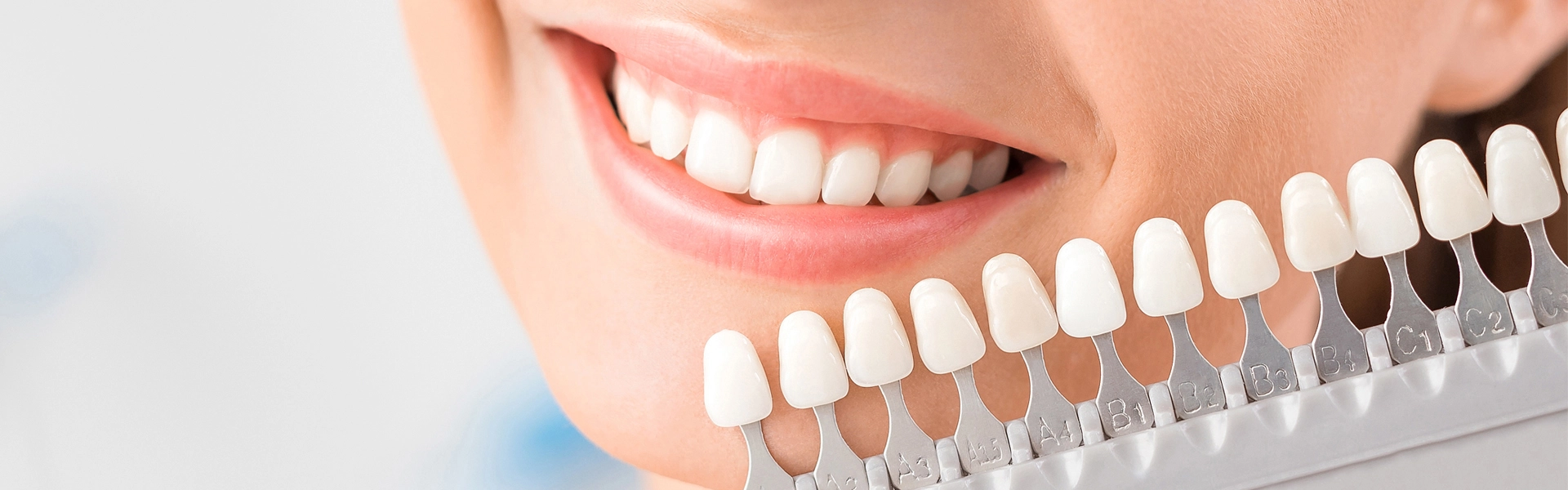
Everything You Need to Know About Dental Veneers
Introduction
A smile can influence how confident someone feels in everyday conversations, photos, and social situations. When teeth appear stained, uneven, chipped, or worn, it can affect how freely a person smiles. Dental veneers are a cosmetic option designed to improve the appearance of teeth by enhancing what is visible when you smile. For many patients, veneers provide a way to achieve noticeable changes without undergoing extensive dental procedures.
Veneers are designed to blend naturally with existing teeth, helping improve balance, symmetry, and overall appearance. Because they are customized for each individual, they can be tailored to match natural tooth colour and shape. Understanding what dental veneers are, what concerns they address, and how the process works can help patients decide whether this treatment aligns with their goals.
What Are Dental Veneers?
Dental veneers are thin, custom-made layers that are placed on the front surface of teeth. They are commonly made up of porcelain or composite resin and are judiciously crafted to match the natural look of surrounding teeth. Veneers focus on improving appearance rather than replacing the entire tooth, which allows most of the natural structure to remain intact.
After placement, veneers become bonded to the tooth surface, creating a smooth and durable finish. Because they are individually designed, veneers can enhance the look of a single tooth or multiple teeth while maintaining a consistent, natural appearance. Many patients choose veneers because they can address several cosmetic concerns at the same time.
What Can Dental Veneers Fix?
Dental veneers are used for cosmetic improvement rather than functional correction. They are typically recommended for patients who have healthy teeth and gums but looking for ways to improve and enhance the appearance of their smile.
Veneers may help improve the look of:
- Teeth with deep stains that do not improve with whitening
- Small chips or surface imperfections
- Teeth that appear uneven, misshapen, or worn
- Minor gaps between teeth
- Teeth that lack uniform size or symmetry
By covering the front side of the teeth, veneers can create a more even and polished smile without major alteration to natural teeth.
Types of Dental Veneers
There are different types of dental veneers available, and the most suitable option depends on individual needs, preferences, and oral health.
Porcelain veneers are valued for their strength and their ability to resist staining. They closely resemble natural enamel and are often chosen for long-term cosmetic enhancement. Porcelain veneers typically require a small amount of preparation and can last for several years when properly cared for.
Composite resin veneers are applied straight to the teeth and shaped during the appointment. They usually involve less preparation and can often be completed more quickly. While composite veneers may not last as long as porcelain, they can still provide meaningful cosmetic improvement for the right candidate.
A dental consultation helps determine which type of veneer is best suited to each patient’s goals and lifestyle.
Benefits of Dental Veneers
Dental veneers offer several advantages for patients looking to improve the appearance of their smile. One key benefit is their power to create consistent colour and shape across visible teeth, resulting in a more balanced look.
Additional benefits include:
- A natural appearance that blends really well with surrounding teeth
- Resistance to staining, especially with porcelain veneers
- Conservative preparation compared to full crowns
- Long-lasting cosmetic improvement with proper care
- Increased confidence when smiling and speaking
Patients searching for a dentist near me often ask whether veneers are a good long-term option. For many individuals, veneers provide a reliable way to achieve cosmetic goals while maintaining a natural look.
The Dental Veneer Procedure: What to Expect
Knowing what happens during the veneer process can help patients feel more prepared and comfortable. While each treatment plan is personalized, the procedure generally follows a similar sequence.
The process begins with a consultation, where the dentist evaluates oral health and discusses cosmetic concerns. If veneers are recommended, a small amount of enamel may be gently removed to allow for proper placement. Impressions are then taken so the veneers can be custom-made.
Temporary veneers may be settled while the permanent ones are being created. At the last, final appointment, the veneers are bonded to the teeth, adjusted for comfort, and polished to achieve a smooth, natural finish. Most patients can resume normal daily activities soon after the procedure.
Caring for Dental Veneers
Caring for veneers involves many of the same habits used to maintain natural teeth. Good oral hygiene is essential for protecting both the veneers and the teeth underneath.
Helpful care practices include:
- Brushing twice daily with a non-abrasive toothpaste
- Flossing daily to maintain healthy gums
- Avoiding chewing on hard objects
- Wearing a nightguard if teeth grinding is present
- Attending routine dental checkups
With consistent care, veneers can continue to look and function well for many years.
Transform Your Smile with Dental Veneers
Dental veneers offer a dependable way to enhance the appearance of your smile while keeping results natural and balanced. They can address a huge range of cosmetic concerns and help patients feel more confident in their daily lives. For individuals considering dental veneers in Raritan, NJ, a personalized consultation at Stunning Smiles of Somerset – New Jersey can help determine whether veneers are an appropriate option based on oral health, lifestyle, and aesthetic goals.

